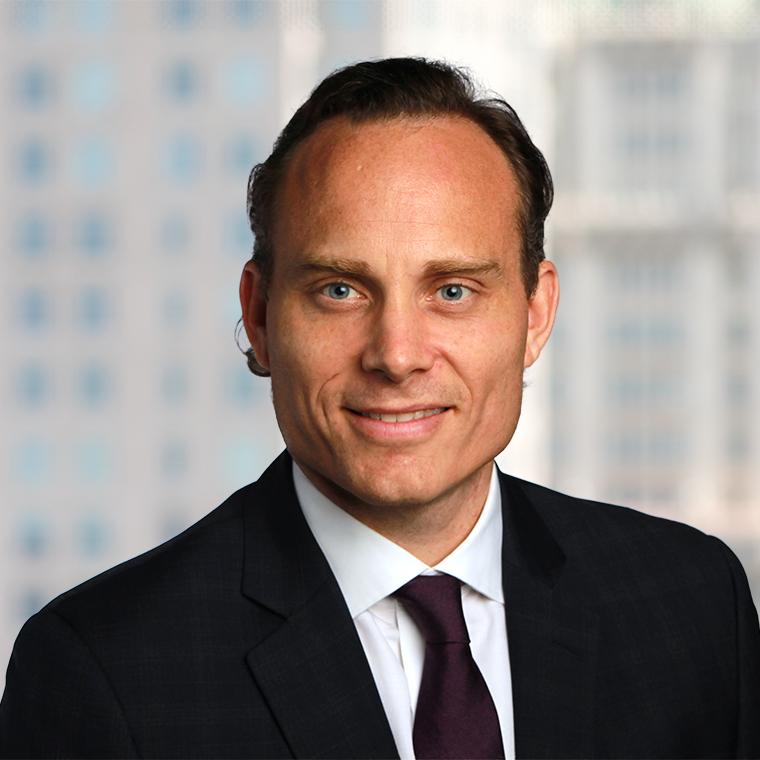
“Don’t try this in New York City.” That warning, from a social media post by NYC Department of Consumer and Worker Protection (DCWP) Commissioner Sam Levine, captures the city agency’s increasingly public and forward-leaning approach to law enforcement. Levine, previously Director of the Federal Trade Commission’s (FTC) Bureau of Consumer Protection under Lina Khan in the Biden Administration, built a reputation for aggressive enforcement actions and rulemaking on a broad range of issues. In his first 10 months at DCWP, he has continued this approach, with an early focus on pricing practices, subscription cancellation, algorithmic decision-making, and worker protections. At the same time, Mayor Zohran Mamdani has expanded DCWP’s budget, staffing, and technical capabilities, and the City Council has passed a DCWP-supported prohibition on personalized pricing, increasing the likelihood of vigorous and wide-ranging enforcement investigations for companies operating in NYC or serving NYC consumers.
As explained in more detail below, companies operating in NYC or serving NYC consumers should take the following steps now while keeping a close eye on DCWP’s enforcement patterns and proposed rules:
- Audit subscription and cancellation flows. Cancellation must be as easy as sign-up, and subscription terms must be clearly disclosed.
- Inventory algorithmic pricing and AI tools. Identify pricing models that use personal data, automated employment decision tools, and customer-service chatbots.
- Consider whether advertised prices are all-in. DCWP’s proposed “junk fee” rule would require prices shown to consumers to include all mandatory fees other than taxes.
- Use the legislative and rulemaking windows. The POWER Act and the UNCAP Act are pending, and the junk fee and AI chatbot rules are proposed. Comments and Council engagement are most effective before final text is set.
- Prepare a response plan before DCWP calls. Decide in advance who will respond, what records should be preserved, and how to efficiently gather documentation of the company’s compliance practices.
The NYC Department of Consumer and Worker Protection
DCWP primarily enforces New York City Consumer Protection Law (CPL), which prohibits “any deceptive or unconscionable trade practice in the sale, lease, rental, or loan or in the offering for sale, lease, rental, or loan of any consumer goods or services.” Notably, DCWP is currently unable to challenge an unconscionable business practice without first completing a lengthy rulemaking process. Mamdani and Levine, however, support the Unconscionable Consumer Abuse Prevention (UNCAP) Act, introduced on November 12, which would give DCWP the ability to move faster to challenge an unconscionable practice that “unfairly takes advantage of the lack of knowledge, ability, experience or capacity of a consumer; or results in a gross disparity between the value received by a consumer and the price paid, to the consumer’s detriment.”
The Department has both investigative and litigation authority, in addition to licensing authority. The Commissioner has subpoena authority, but initial contact with a company may also come in the form of a request for information or a cease-and-desist notice outlining alleged violations of the CPL. If parties cannot reach a settlement, DCWP can file a civil enforcement complaint in New York Supreme Court for violations of the CPL and seek remedies including injunctive relief, restitution pursuant to N.Y.C. Admin. Code § 20-703(g)(3); civil penalties pursuant to N.Y.C. Admin. Code § 20-703(a) and (d), with higher penalties for knowing violations; and the costs of the city’s investigation pursuant to N.Y.C. Admin. Code § 20-703(g)(5).
As to jurisdictional reach, DCWP appears to take a broad view. For example, earlier this year, DCWP adopted a rule requiring hotels to disclose the total price of the stay clearly and conspicuously, including all mandatory fees, up front. According to DCWP, the rule applies both to anyone advertising the price of a hotel in New York City and to anyone advertising the price of a hotel to a New York City customer, regardless of the hotel’s location.
Considerations for Firms Operating in NYC or Serving NYC Consumers
Several developments from Levine’s first 10 months illustrate how DCWP is pursuing enforcement and rulemaking that could affect firms across industries and provide a preview of what is likely to come from the agency:
- Increased DCWP budget and staffing portends increased, wider-ranging enforcement. For fiscal year 2027, Mamdani has announced plans to add seventy-one positions to DCWP’s 450-member staff and has requested a substantial increase in funding for the agency. On September 16, Levine announced a new Research and Analytics Division composed of thirty-six data scientists, technologists, and economists to help the agency build cases. Mamdani allocated an initial budget of $4 million to the new division, whose creation is likely to lead to increasingly wide-ranging DCWP investigations, with a focus on large tech-based firms.
- Prepare for multimillion-dollar monetary demands and prescriptive injunctive remedies. On September 22, Mamdani and Levine announced a $131.5 million administrative settlement with DoorDash for the company’s alleged violation of the city’s delivery worker laws. The settlement includes $115 million to be paid directly to over 260,000 delivery workers who were allegedly underpaid, paid late, or not paid at all, as well as more than $16 million in civil penalties and costs. This settlement is both the largest worker settlement in New York City’s history and the largest settlement involving food delivery workers in the U.S. In addition, the settlement requires DoorDash to implement a monitoring system that enables DCWP’s Research and Analytics Division to identify violations through a platform allowing workers to submit information about their DoorDash trips directly to the agency. Levine has said publicly that firms should expect similar remedies in future enforcement actions.
- Individual liability for executives is on the table. In January 2026, DCWP sued Motoclick and its CEO for failing to pay workers the required minimum wage. The agency’s decision to seek personal liability for the CEO demonstrates the agency’s increasingly aggressive enforcement tactics.
- Confirm compliance with the first municipal “Click to Cancel” Rule, in effect as of October 1. On October 1, NYC’s “Click to Cancel” Rule went into effect. The Rule requires companies to clearly explain subscription terms, disclose consumers’ rights when buying or canceling subscriptions, and provide a straightforward cancellation process using the same method used for sign-up. Companies should ensure subscription practices and disclosures are consistent with the Rule. (The FTC also restarted rulemaking proceedings on the same topic.)
- Prepare for a ban on personalized or “surveillance” pricing and scrutiny of other algorithmic practices. On November 12, the City Council passed legislation banning “surveillance pricing,” described as “pricing set completely or in part by an algorithm that uses personal data to offer different prices to different customers for the same goods or services and does not include bona fide custom discounts.” The ban would take effect one year from becoming law, which will occur upon Mamdani’s signature or when 30 days pass without a veto. Earlier this fall, DCWP announced an enforcement policy statement that warned against using algorithms to make decisions and deliver services in ways that might harm not only consumers but workers. For example, DCWP enforces Local Law 144, which prohibits employers from using an automated employment decision tool unless the tool has been subject to a bias audit within one year of use of the tool, information about the bias audit is publicly available, and certain notices have been provided to employees or job candidates. And on October 20, DCWP proposed a rule to codify that firms cannot avoid liability for violating NYC consumer-protection laws or rules by claiming that the violation was caused or facilitated by technology they used or relied on.
- Consider whether using an AI chatbot for customer service creates a “doom loop.” On October 20, DCWP announced a proposed rule to ban customer service “doom loops” by requiring companies to disclose when a customer is talking to an AI chatbot, provide an off-ramp to contact a human representative, and offer meaningful customer assistance if it is advertised. The proposal has significant three-year recordkeeping requirements, including logs of every covered interaction, all disclosures provided to consumers at the outset of covered interactions, annual data aggregations, and records demonstrating the alternatives provided to consumers for human escalation.
- Prepare for continued scrutiny of hidden and “junk” fees. Reprising a signature FTC priority, Levine has proposed a DCWP rule that would ban junk fees and require businesses to display all-in prices up front. The proposal tracks the industry-wide fees rule that the FTC proposed while Levine led its Bureau of Consumer Protection, although that rule was later narrowed to live-event ticketing and short-term lodging. Although DCWP’s broader proposal is not yet final, a city prohibition on undisclosed hotel fees is already in effect. Companies should assess whether prices advertised or displayed to consumers include all mandatory fees other than taxes.
- Expect continued support for increased private rights of action. On October 6, Mamdani and Levine announced the POWER Act, which was introduced in the City Council on October 8 and remains pending. If enacted, it would allow consumers, workers, small businesses, and nonprofits to sue companies for unfair, abusive, or unlawful practices. Currently, New York’s General Business Law § 349 lets private plaintiffs sue only over deceptive practices. Given that “unlawful” is undefined, plaintiffs may attempt to use the POWER Act to allege violations of New York City rules that lack a private right of action. For example, Levine stated that he supports pairing a ban on surveillance pricing “with a broad private right of action to ensure that companies are accountable for algorithmic manipulations.”
- Consider proactive compliance and advocacy. DCWP enforcement actions under Levine are likely to closely track—or go beyond—prior FTC and state actions on all-in pricing, “junk fees,” and subscriptions. Affected companies should consider a strategic review of recent DCWP enforcement as well as proposed legislation and rulemaking so they can remediate risks before issues escalate into formal investigations and can engage with the Council or DCWP before proposed legislation or rules become law.
Levine’s first 10 months as Commissioner confirm that DCWP intends to pursue an aggressive consumer and worker protection enforcement and rulemaking agenda, alongside recently reelected New York Attorney General Letitia James. WilmerHale’s Consumer Protection and Defense practice is tracking developments with both DCWP and the New York Attorney General closely, has extensive experience with the issues and personnel involved in the agencies’ actions, and stands ready to help.